See how Configurix fits different configurable products.
Each workflow shows how Configurix maps a product catalogue and selling process into guided 3D configuration, product rules, pricing, quotes and structured project data.
Product rulesInteractive 3DVisual CPQProject data
Different products. Different rules. One configurable system.
Explore the inputs, rules and outputs that change across pergolas, verandas, garden rooms, awnings, doors, windows, fences and gates.
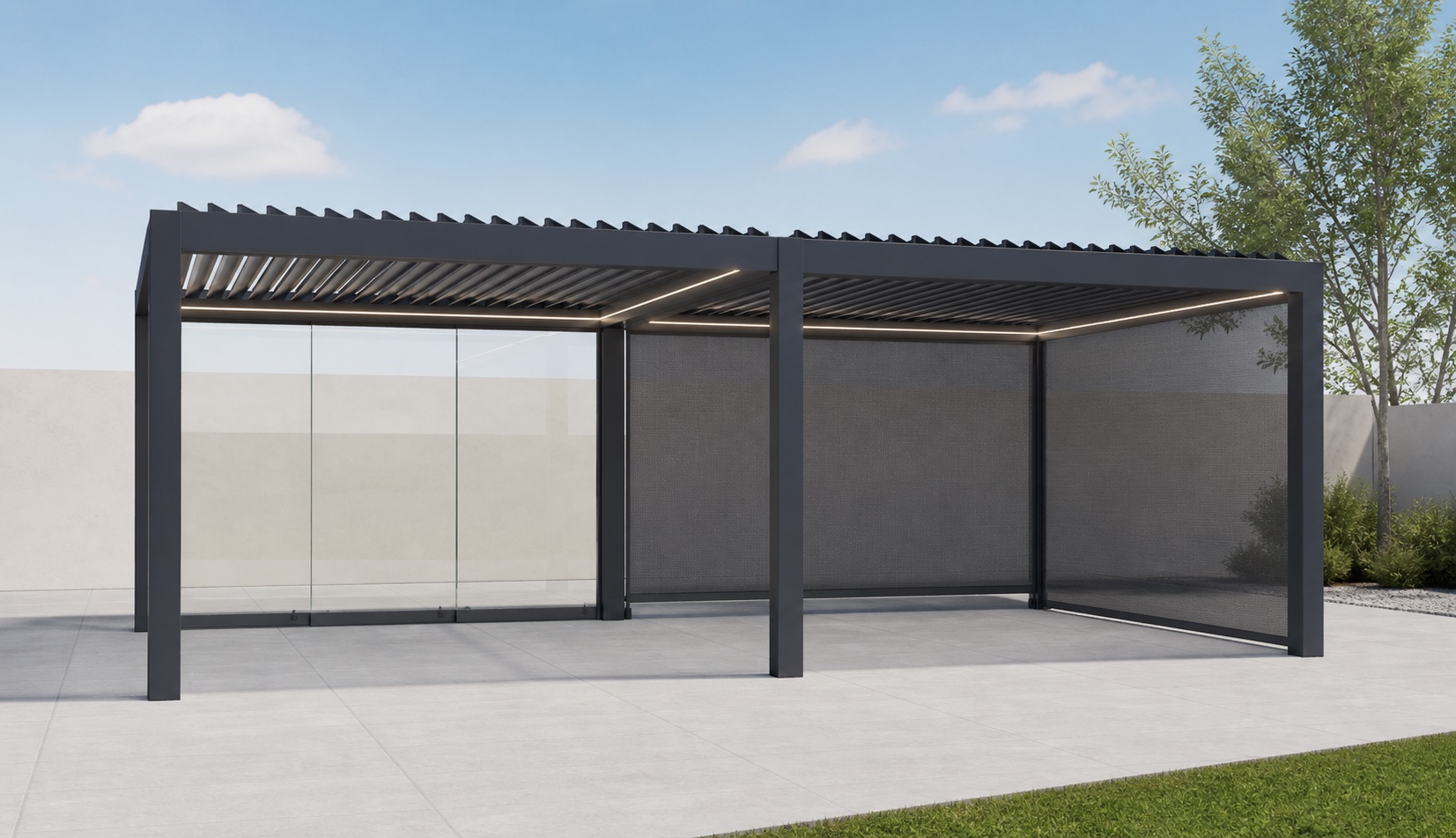
Bioclimatic pergolas
Manufacturer, dealer network or installer
Configure a made-to-measure pergola and preserve the exact customer choice.
The user selects structure, dimensions, louver zones, screens, glass, lighting, heating and finish inside approved product limits. The same saved pergola can drive pricing, a branded proposal and the scoped order or production data.
Inputs
Dimensions · Roof zones · Screens · Glass · Finish
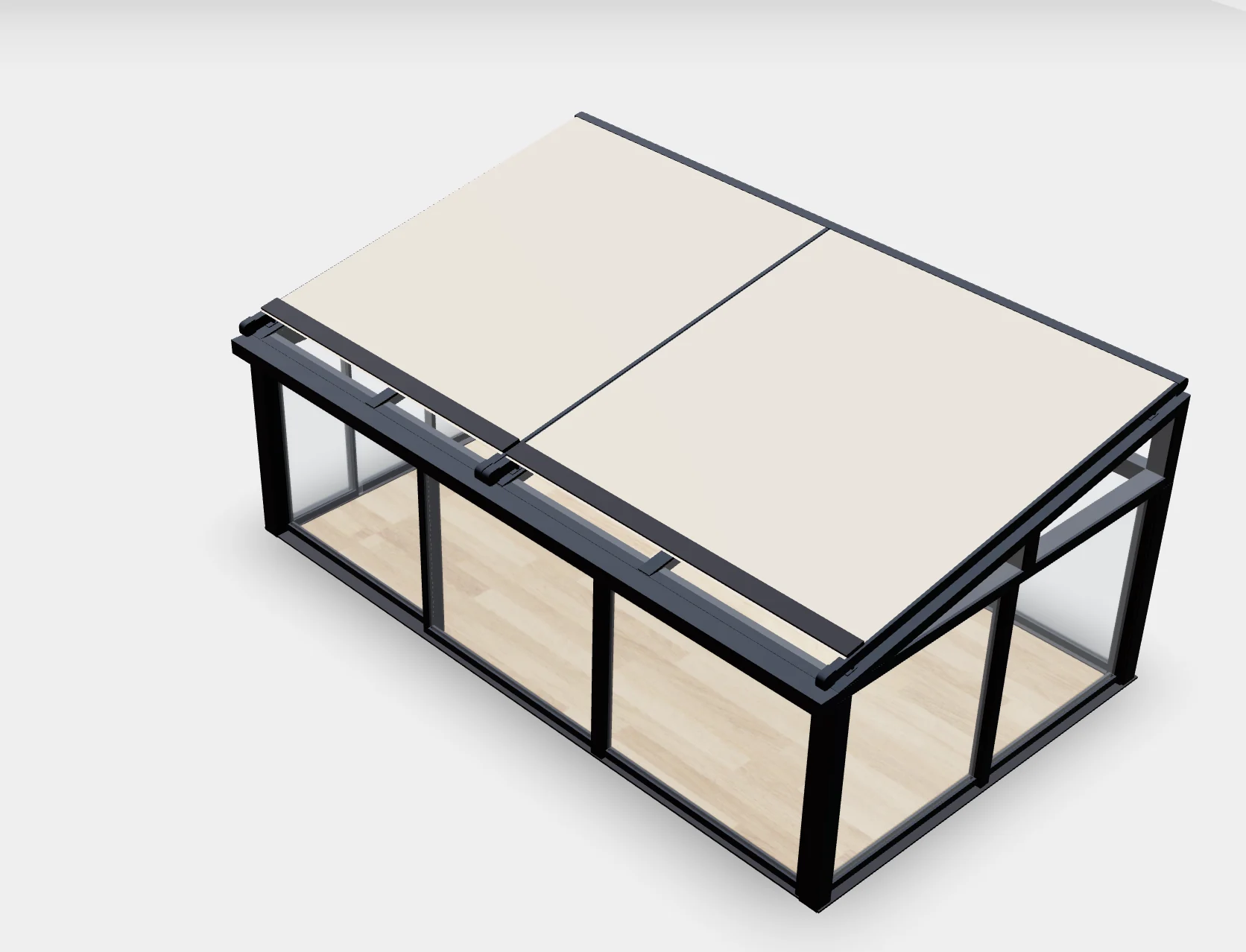
Keep profiles, roof glazing and enclosure choices connected to the quote.
A veranda workflow can guide width, projection, roof pitch, posts, glass type, sliding walls, doors, drainage and finishes. Compatibility rules and commercial formulas determine which options are valid and how the configured project is priced.
Inputs
Site dimensions · Profiles · Glazing · Doors · Drainage
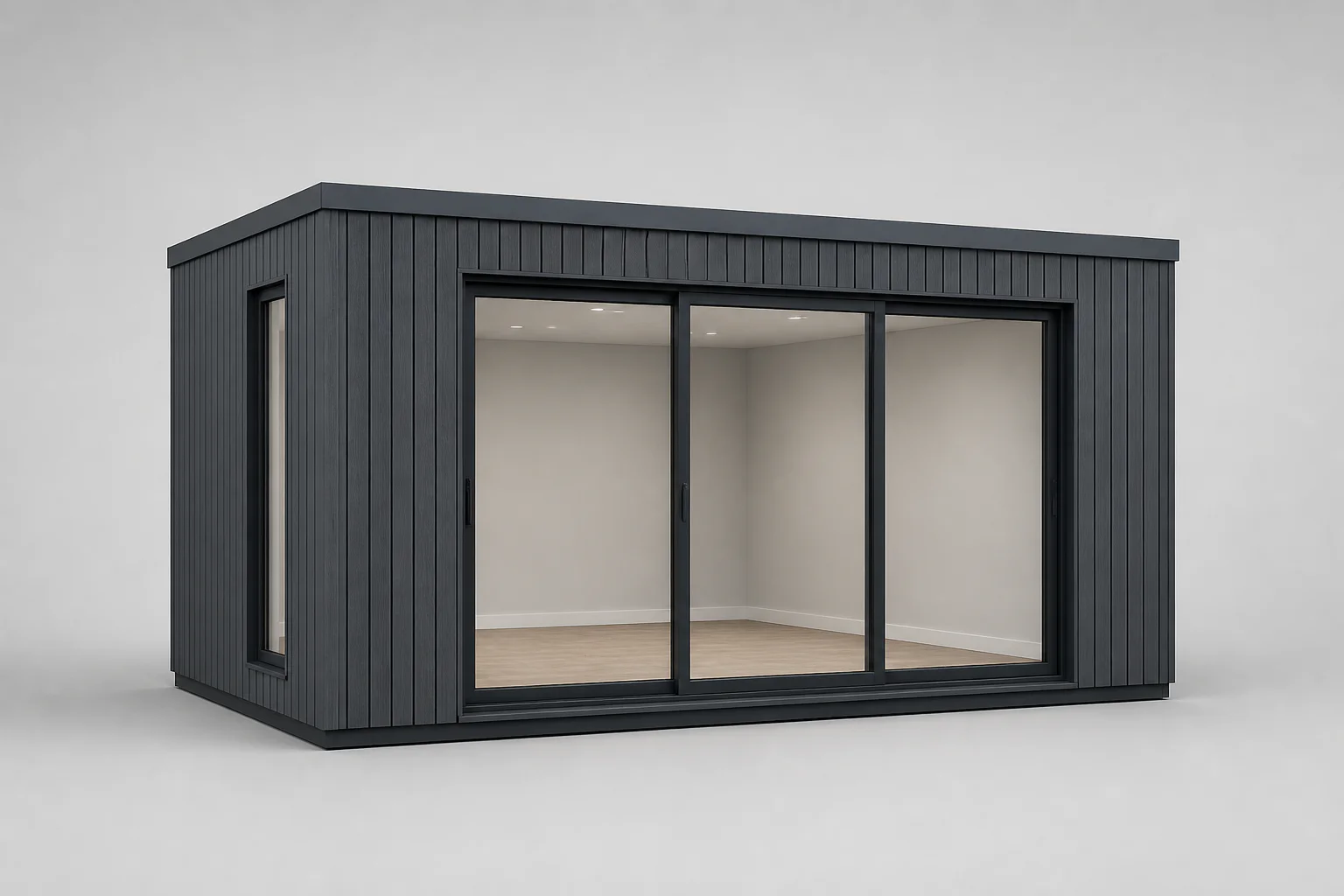
Turn room size, openings and packages into one structured specification.
Customers or salespeople can choose dimensions, layout, cladding, roof, doors, windows, insulation, electrical packages and interior options. Configurix can connect those selections to price, proposal and the agreed delivery fields.
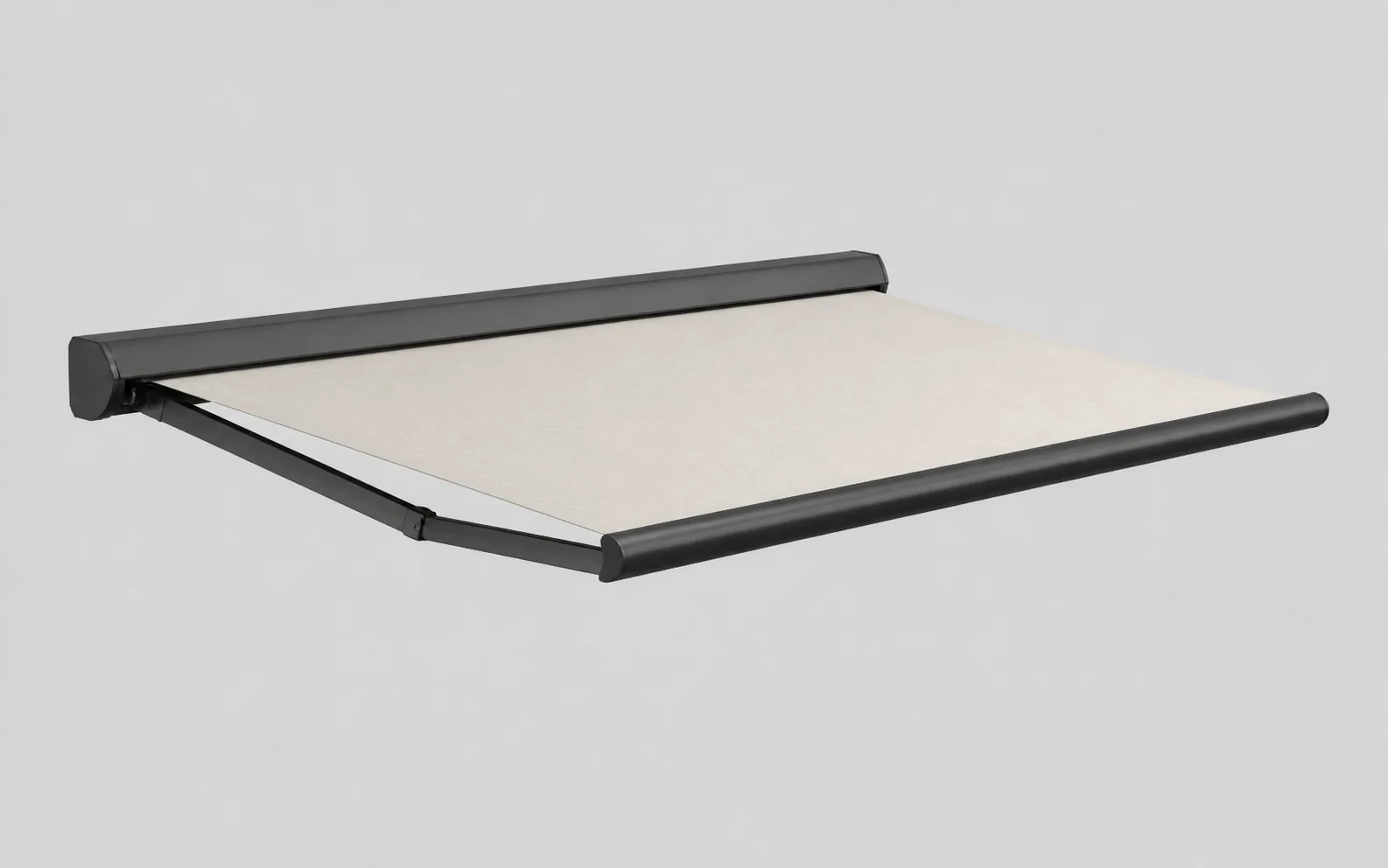
Guide cassette, fabric, controls and installation options by product range.
The configurator can express permitted widths, projections, mounting types, fabrics, valances, motors, controls, lighting and sensors. Market, dealer and customer roles can receive the correct catalogue, language and commercial rules.
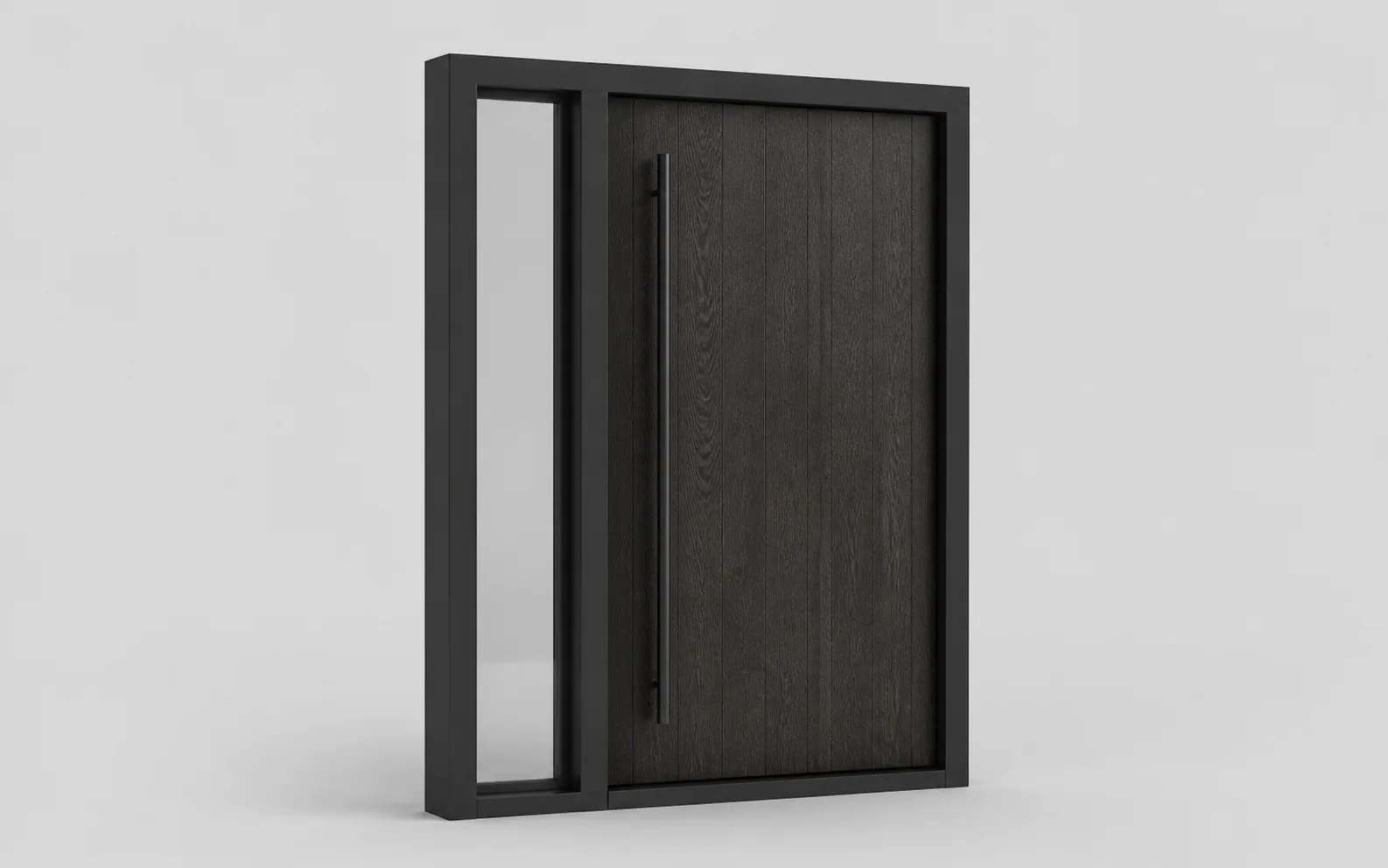
Configure openings, panels, hardware and performance options without invalid combinations.
A rule-driven door or window flow can manage size ranges, frame systems, panel layouts, opening direction, glazing, hardware, colours and accessory dependencies. The selected unit remains available for pricing, documents and downstream integration.
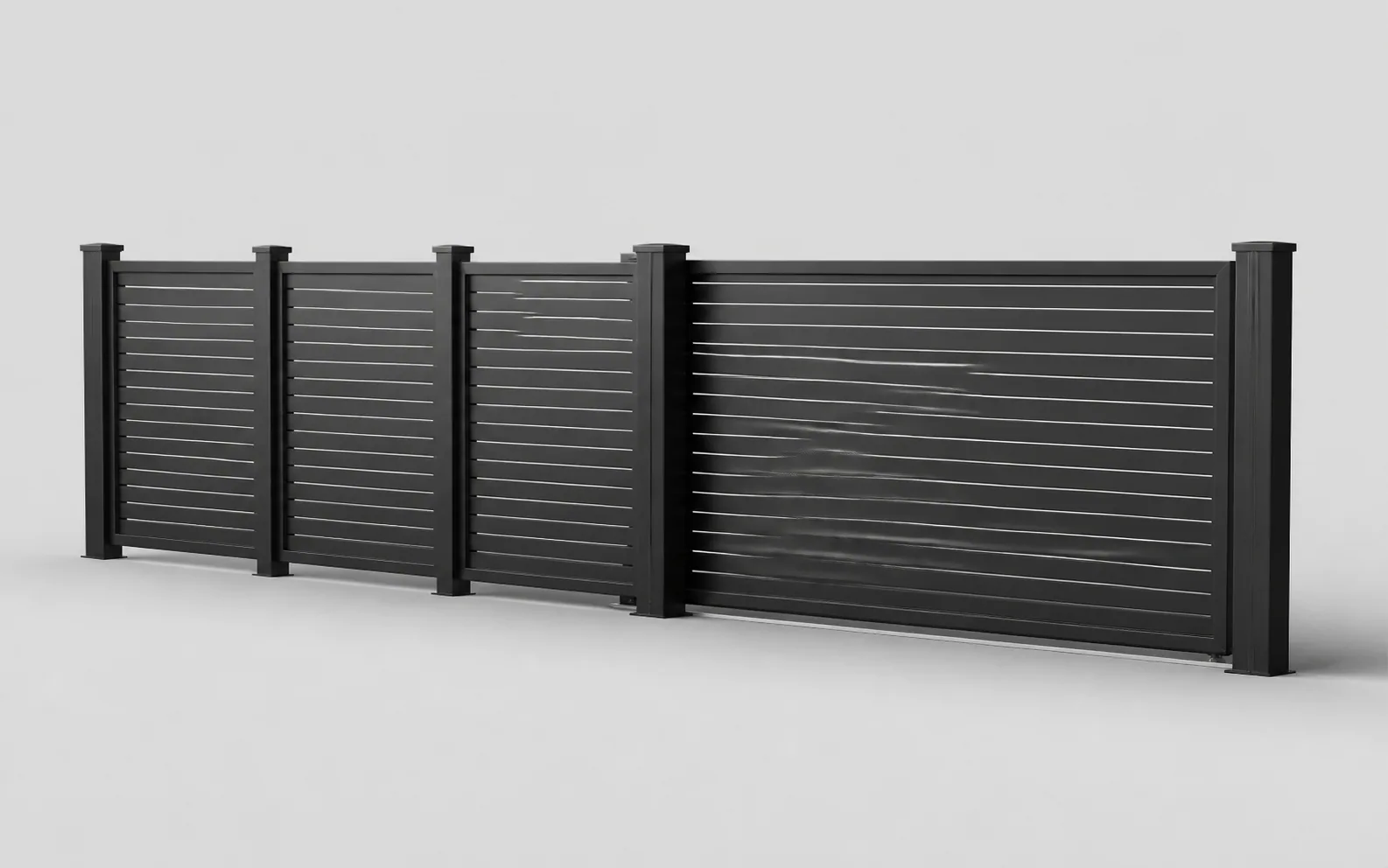
Build a complete run from dimensions, modules, posts, infill and access points.
Lengths, heights, terrain steps, panel modules, posts, gates, motors, finishes and installation requirements can be structured as one project. The resulting configuration can support a customer price and the agreed material or installation record.
Each implementation maps the actual product families, dimensions, components, materials, compatible options, required selections and review conditions.
Commercial model
Price lists, formulas, labour, delivery, tax, margins, discounts, currencies and approval permissions are configured for the agreed selling process.
Customer and project outputs
The scope can include saved configurations, lead records, estimates, quotes, approvals, documents, BOM fields and structured downstream data.
Markets, brands and roles
White-label presentation, catalogues, languages, domains, dealer access and internal permissions can differ while the underlying product rules stay governed.
Plan a representative workflow
Start with one product your team can verify end to end.
A useful discovery process does not begin with every SKU. It begins with a product that exposes the real geometry, rule, pricing, document and handoff requirements of the wider catalogue.
01
Define the user and decision
Identify whether the journey is for a public buyer, salesperson, dealer, surveyor or catalogue administrator and what decision that user must complete.
02
Choose a representative product
Use a product containing real dimensions, dependent options, exclusions, prices and an output your team already knows how to verify.
03
Map the commercial path
Document when price is shown, who can discount, what becomes a lead or quote, how revisions work and which approval is required.
04
Specify the next system
List the exact project fields that must reach CRM, ERP, ecommerce, document, scheduling or order workflows and who owns each integration.
05
Test the complete record
Run valid, invalid and boundary products through configuration, price, quote, revision and handoff before accepting the implementation.
Acceptance evidence
Verify the complete result against known examples.
Visual quality matters, but a production evaluation should also prove valid product logic, reconciled pricing, traceable revisions and usable downstream data.
A representative valid product produces the expected saved specification.
Minimum, maximum, dependent and incompatible choices behave as agreed.
A known commercial example reconciles to the expected price and rounding policy.
A revised configuration produces the correct quote and preserves project history.
The agreed CRM, ERP, ecommerce or order payload contains the required identifiers and fields.